Explain how a bone works or trace a change through a kelp forest. Start with eight original questions right here; no account or game PIN is needed.
These are practice activities, not formal tests. Try each question in your own words before opening its explanation.
Think it through, then check.
Choose one topic and allow 6–8 minutes. Work independently: write a one- or two-sentence answer in a notebook, or say it aloud. Then open Check the explanation and revise one part of your reasoning. With a partner, compare your explanations after both of you have tried.
Your responses stay in your notebook or conversation. This page does not collect answers, calculate grades, or require a sign-in.
ANATOMY / FOUR QUESTIONS
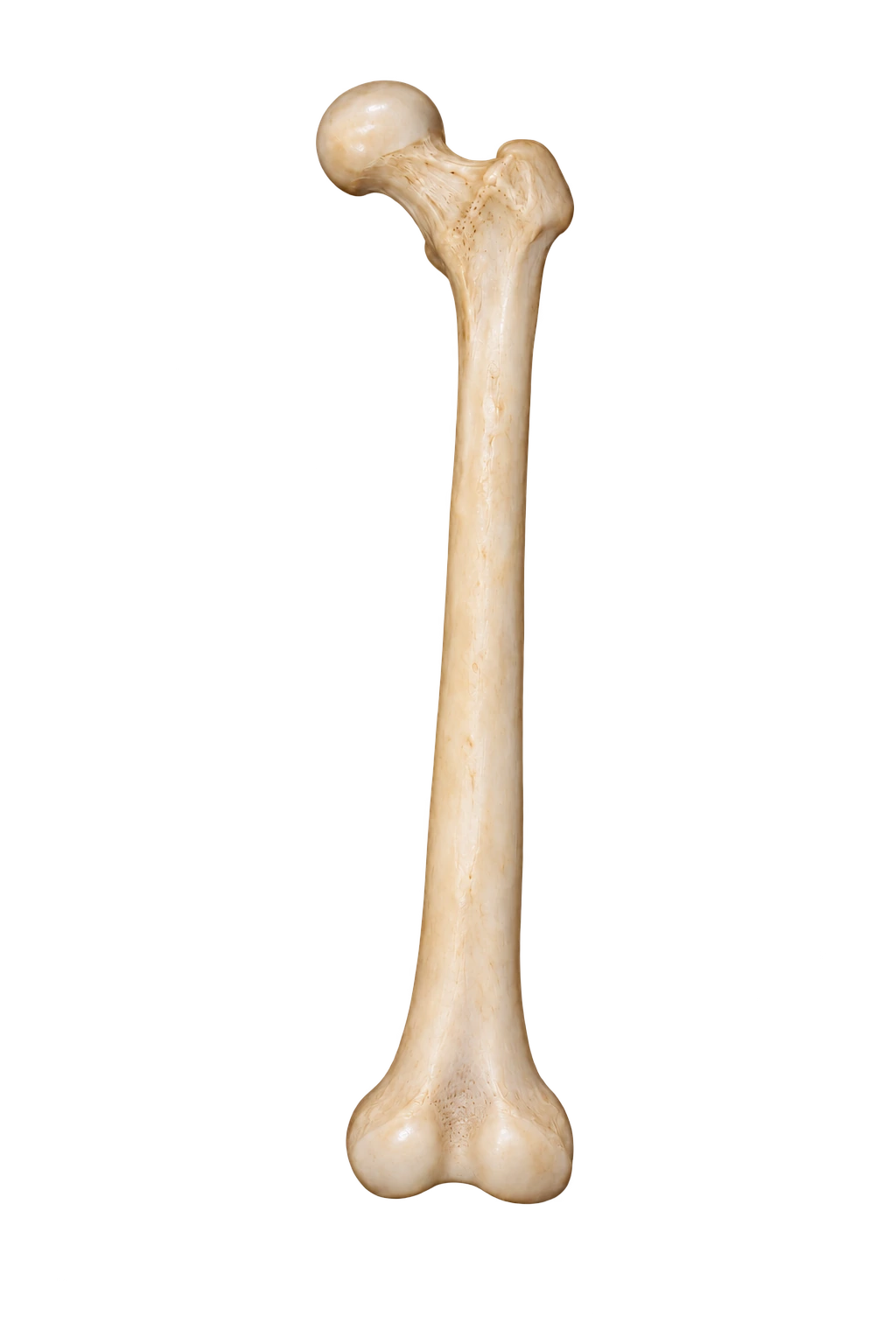
Bone is living structure.
Connect the material inside a bone to support, blood-cell production, and renewal.
Does “spongy” mean soft?
A cutaway shows a dense outer wall and a network of struts inside a bone. A learner calls the inside “soft packing.” What would you correct?
Check the explanation: bone structure
Spongy bone is mineralized tissue, not a soft sponge. Its struts, called trabeculae, form a supporting network with spaces between them. This arrangement provides strength without filling the whole bone with dense tissue. Compact bone forms the dense outer layer; many bones contain both types.
Same location, different jobs?
Red marrow and yellow marrow are both found inside bones. Why would it be misleading to label both simply “blood-cell factories”?
Check the explanation: marrow
Red marrow contains the cells that produce blood cells. Yellow marrow contains much more fat and serves mainly as an energy reserve. Their proportions and locations change with age. Marrow is tissue within bone spaces; it is not the hard bone matrix around those spaces.
Why not make bone entirely from mineral?
A model represents bone using a flexible framework reinforced with hard material. Which two bone components does this model help you explain, and where does the comparison stop?
Check the explanation: bone materials
Collagen contributes a protein framework and flexibility; mineral, largely calcium phosphate, contributes hardness and resistance to compression. Both matter to bone’s mechanical behavior. The model can illustrate those complementary roles, but it leaves out living cells, blood vessels, and the continuous renewal of real tissue.
Finished growing, finished changing?
An adult’s height stays the same for a year. Does that show that the person’s bones have stopped changing? Explain the role of two kinds of bone cells.
Check the explanation: remodeling
No. Bone remodeling continues after growth in height stops. Osteoclasts remove existing bone tissue, and osteoblasts form new tissue. Coordinated removal and replacement renew bone without necessarily changing its overall length. A stable height tells you little about this cellular activity.
Make it visible: sketch a bone cross-section in your notebook. Label compact bone, spongy bone, and a marrow space; add a sentence explaining how one feature supports a function.
Use a simple chain to reason about a larger ecosystem, then consider what the chain leaves out.
Which way does the arrow point?
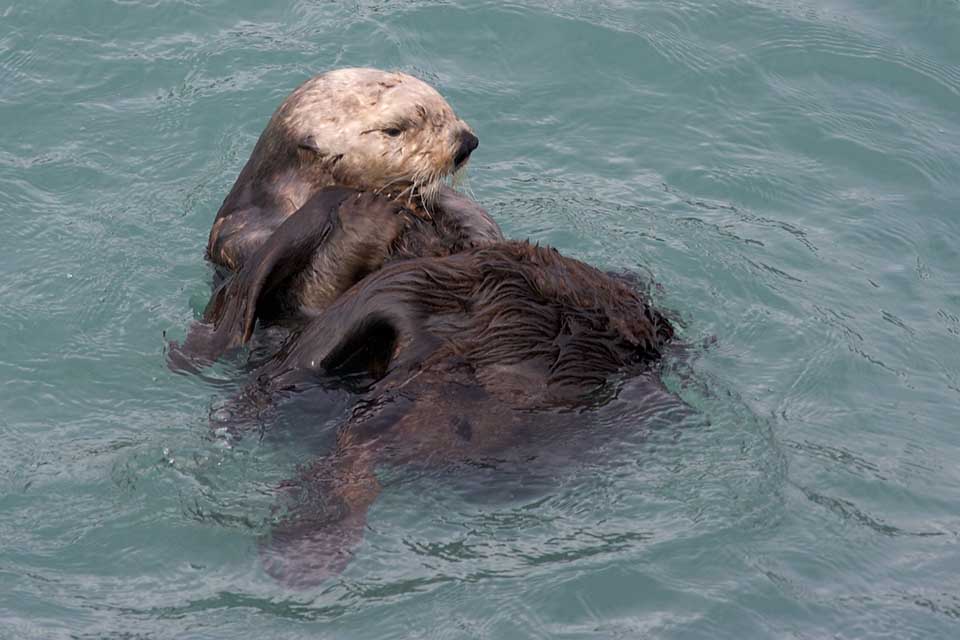
Draw a food-energy chain for kelp, sea urchins, and sea otters. Explain what an arrow means, including why it does not point from hunter to food.
Check the explanation: energy arrows
The chain is kelp → sea urchin → sea otter. An arrow points from the food to the consumer, showing energy transferred through feeding. Kelp uses sunlight to make food; urchins graze on kelp, and otters can eat urchins. This chain shows only part of their diets and food web.
Can an otter affect something it does not eat?
Suppose otter numbers fall where otters eat kelp-grazing urchins. Predict a possible later change in kelp, and explain the intermediate step.
Check the explanation: indirect effects
With less otter predation, urchins may become more abundant or graze more heavily, reducing kelp. Otters affect kelp indirectly through the grazers. This connection across feeding levels is a trophic cascade. It is a possible pathway, not a guarantee of the same outcome at every coast.
Same otters, different forest?
Two places have similar otter numbers but different amounts of kelp. Suggest one additional factor to investigate and explain why it could matter.
Check the explanation: environmental conditions
One useful choice is water temperature: kelp generally thrives in cool, nutrient-rich water, and unusually warm conditions can limit growth. Light, storms, and other grazers also matter. Compare these conditions over time before deciding that otter numbers alone explain the difference.
Is replaying a model new evidence?
You replay the same programmed lab sequence three times and see the same result. Does that establish what will happen at a real coastline? Name evidence you would still need.
Check the explanation: model limits
Replaying demonstrates the model’s programmed behavior; it is not three independent field observations. A stronger real-world investigation would track otters, urchin grazing, kelp cover, and environmental conditions at multiple sites over time. The model helps form a prediction, while field evidence helps test it.
Make it visible: draw two small panels labeled “Otters present” and “Fewer otters.” Add the urchin and kelp changes you predict, then name one condition that could change your prediction.
Each visual review has 20 questions with 60 seconds per question. You can complete the self-checks above without opening either game.
ANATOMY / SKELETAL SYSTEM
What makes a bone work?
Connect bone structure with its job. Review skeletal functions, axial and appendicular divisions, bone shapes, compact and spongy bone, and red and yellow marrow.
Follow the links between sea otters, sea urchins and kelp. Practice food-energy arrows, direct and indirect effects, data-based predictions, conservation choices and model limits.
Think first. Read the question and look closely at its image. Use your class notes if your teacher allows.
Check the reason. After feedback, explain why the answer fits. If you missed it, write a short correction in your journal.
Make a connection. Link one answer to something you observed in the bone or kelp-forest lab.
Playing with your class? Wait for your teacher’s game PIN and enter it at kahoot.it. The review buttons open Kahoot in a new tab; sign-in or play options may vary by account and device.
No test questions or teacher keys are published here. Numerical ES practice examples represent classroom-simulation data, not field measurements. Bone image: teaching illustration; sea otter photograph: NPS/Jim Pfeiffenberger. Kahoot is an external service with its own accounts and privacy practices. AiM does not receive your Kahoot responses through these links.