
ANATOMY + ENVIRONMENTAL SYSTEMS

Step inside
the science.

Explore the human body. Change an ecosystem.
Discover more by doing.

Interactive labs Self-paced learning
Watch Anatomy in Minutes on YouTube
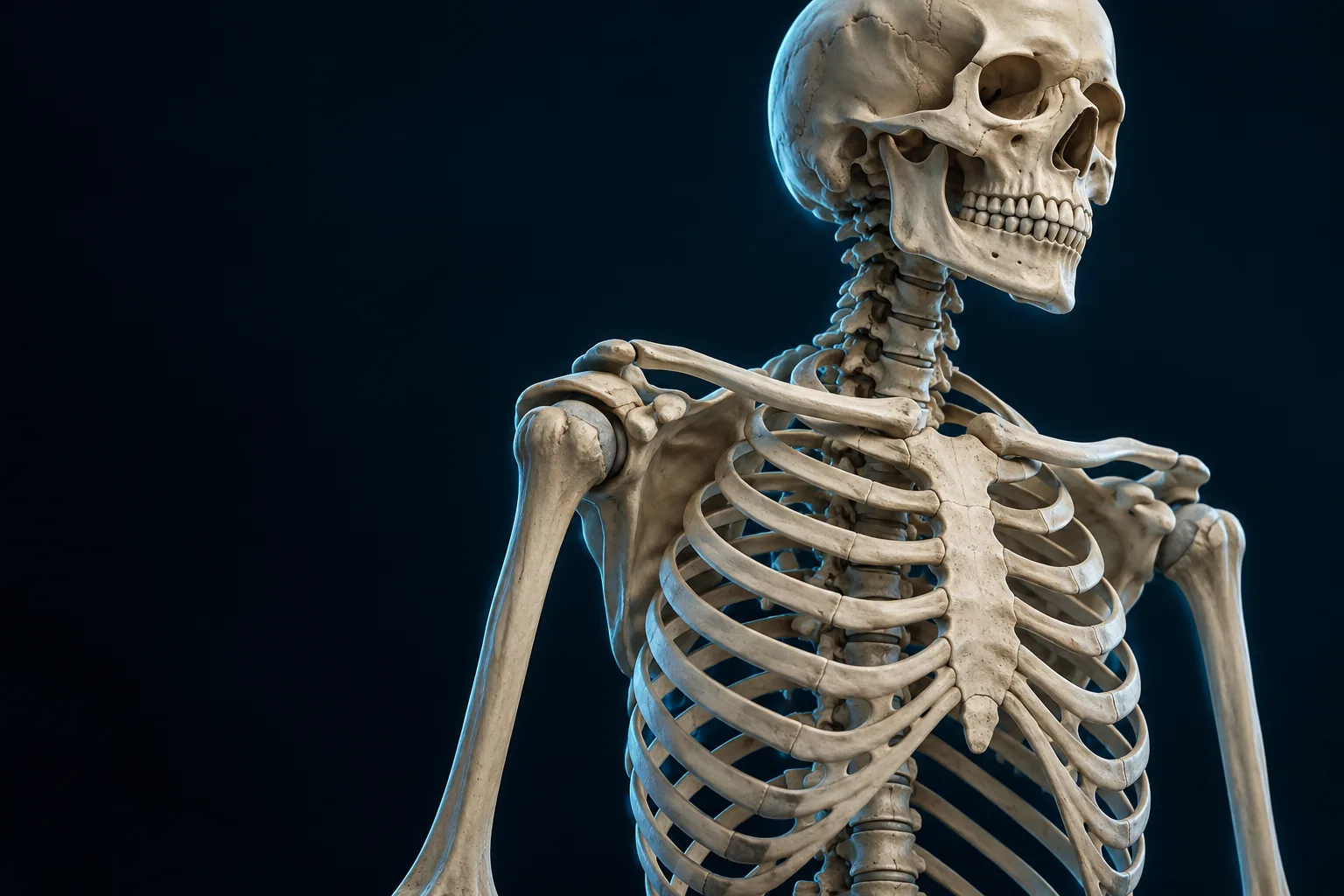
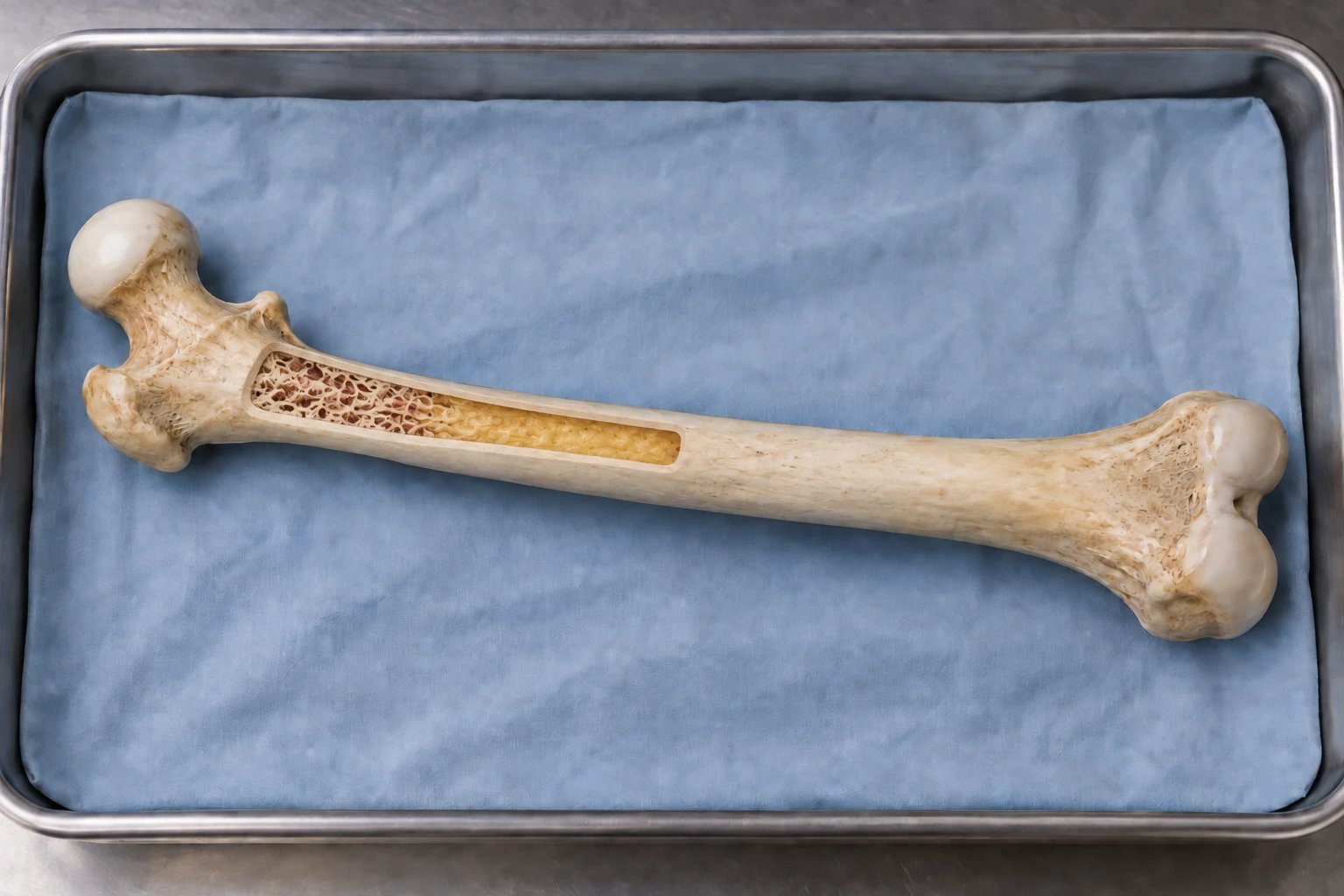
AI-assisted realistic teaching visualization of the skull, rib cage and shoulder bones A CLOSER LOOK / THE HUMAN BODYFEATURED VIRTUAL LABWhat's inside a bone?

YOUR NEXT DISCOVERY

Not just a picture.
A place to explore.

Choose a lab. Follow the evidence.
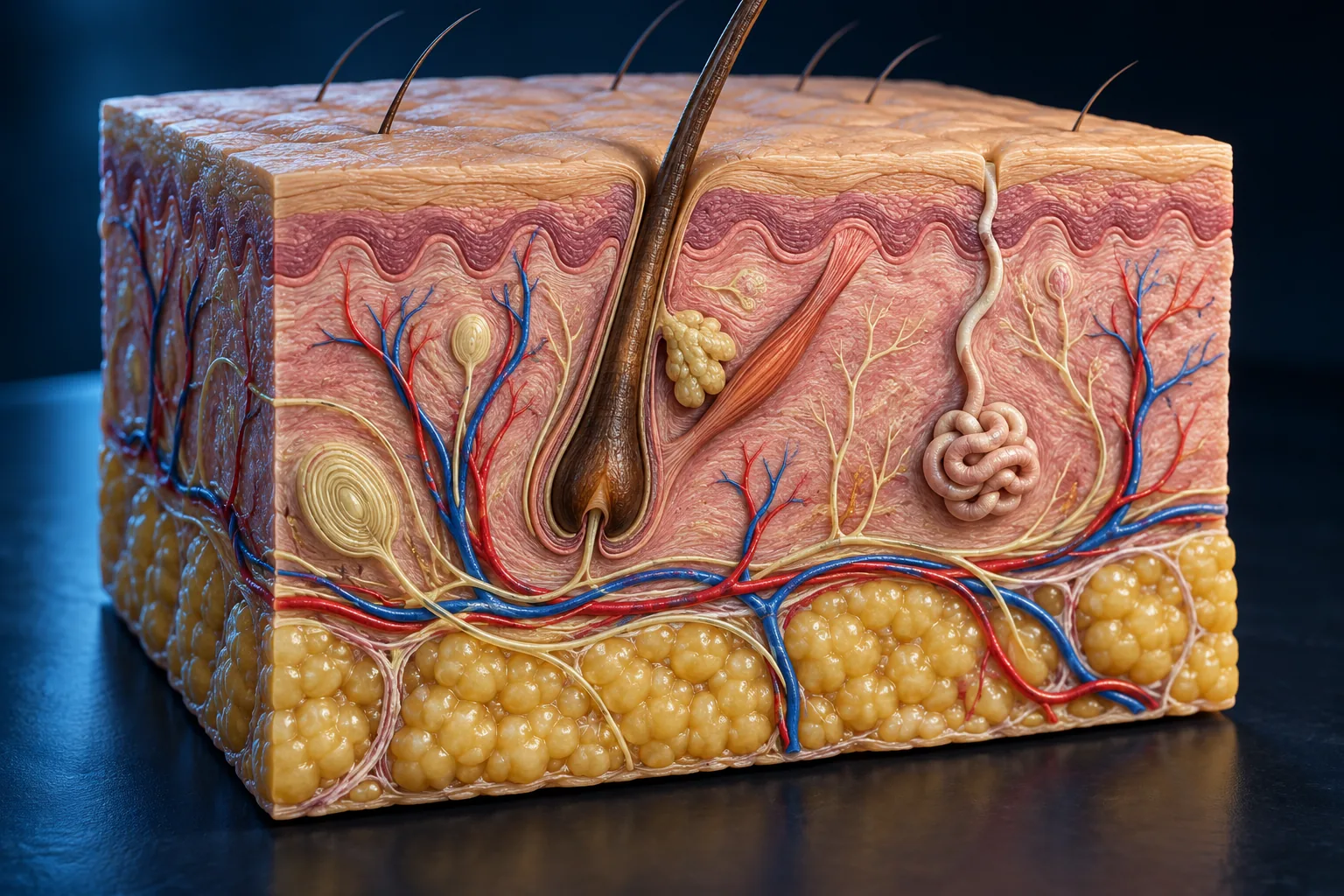
Explore on screen. Record observations in your journal. Offline skin model HTML · 14 MB

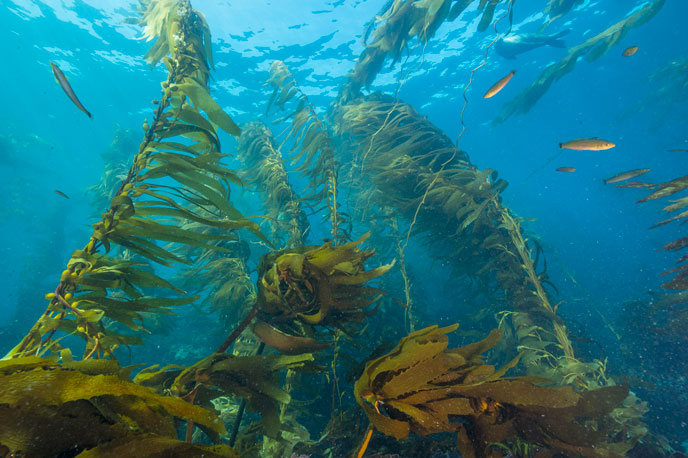
Anatomy images are AI-assisted teaching visualizations, not clinical photographs. Photo credits are included with the kelp forest lab.

Sea otter floating in coastal water

EXPLORE ENVIRONMENTAL SYSTEMS

Everything
is connected.

A sea otter. A sea urchin. An entire forest.
Investigate the relationships that shape our world.

Enter Environmental Systems Or investigate the Creek Case
Photo: NPS / Jim Pfeiffenberger

MAKE IT A CHALLENGE

A little curiosity goes a long way.

WATCH & LEARN

Small lessons. Big discoveries.

English narration · On-screen captions
Choose a guided learning path →

SKIN & REPAIR / 5:11

How your body heals a cut

Follow the body's repair process after a cut. English captions are built into the video and remain visible during playback.

Read the learning notes: skin repair

Repair happens above and below the surface

A cut interrupts the skin’s protective barrier. Clotting helps limit bleeding, while immune cells take part in protecting and repairing the injured area. New tissue and blood vessels develop, and skin grows across the opening. The repaired area continues to change as scar tissue develops and strengthens. These processes overlap; they are not a set of identical timed steps for every injury.

A scab is a surface covering. It does not show everything happening underneath, and losing a scab does not mean every part of repair has finished. A deeper injury is more likely to leave a scar because more tissue must be replaced. Scar tissue is not an exact copy of the original skin.

Connect this to the skin model

The epidermis has no blood vessels. Blood vessels in the dermis help explain why a deeper cut can bleed. In the skin lab, compare the two layers before using this idea to explain the repair process.

Explain it in your own words

  • Which parts of repair could you see at the surface, and which happen underneath?
  • Why is a scab different from newly repaired tissue?
  • How could a simplified animation make overlapping processes look more separate than they really are?

Science references: MedlinePlus: how wounds heal and OpenStax: layers of the skin. These are original study notes, not a video transcript or wound-care instructions.

BRAIN & NERVES / 5:38

Understanding migraine

Explore the science of migraine. English captions are built into the video and remain visible during playback.

Read the learning notes: migraine science

More than head pain

Migraine is a neurological disorder involving interactions among nerve activity, chemical signals, and blood vessels. An attack can involve head pain, nausea, fatigue, and sensitivity to light or sound. A person’s experience can vary between attacks, and different people can have different patterns.

Some people experience an aura, which can involve temporary changes in vision or other sensations. Many people with migraine do not experience aura. It is therefore misleading to use one symptom, or one animation of an attack, as a description of everyone with migraine.

Separate the model from the experience

A teaching animation can use color, arrows, and exaggerated scale to make signals easier to follow. Those visual choices do not show what a particular person’s brain looks like or prove what is causing their symptoms. “A signal is being illustrated” describes the model; “a person feels sensitivity to light” describes a possible experience.

Pause and reflect

  • Why does the phrase “just a headache” leave out important parts of migraine?
  • Which explanation concerns a biological process, and which concerns a symptom someone may experience?
  • What variation between people should a single animation leave room for?

Science reference: National Institute of Neurological Disorders and Stroke: migraine. These are original study notes, not a transcript, a symptom checklist, or a way to diagnose migraine.

These educational videos use AI-generated visualizations to illustrate anatomy and body processes. Images are simplified representations, not clinical footage or a view inside an individual person. General education only; not medical advice, diagnosis, or treatment.

KEEP YOUR CURIOSITY GOING

Anatomy in Minutes. Now on YouTube.

Short science explanations and full lessons. Visit our official channel and subscribe for new videos.

Or browse the video library here
Visit our YouTube channel

JUST FOR EDUCATORS

Your teaching tools.
In one place.

Teacher editions, lesson resources, and exam preparation. Your private workspace stays locked.

Teacher Workspace